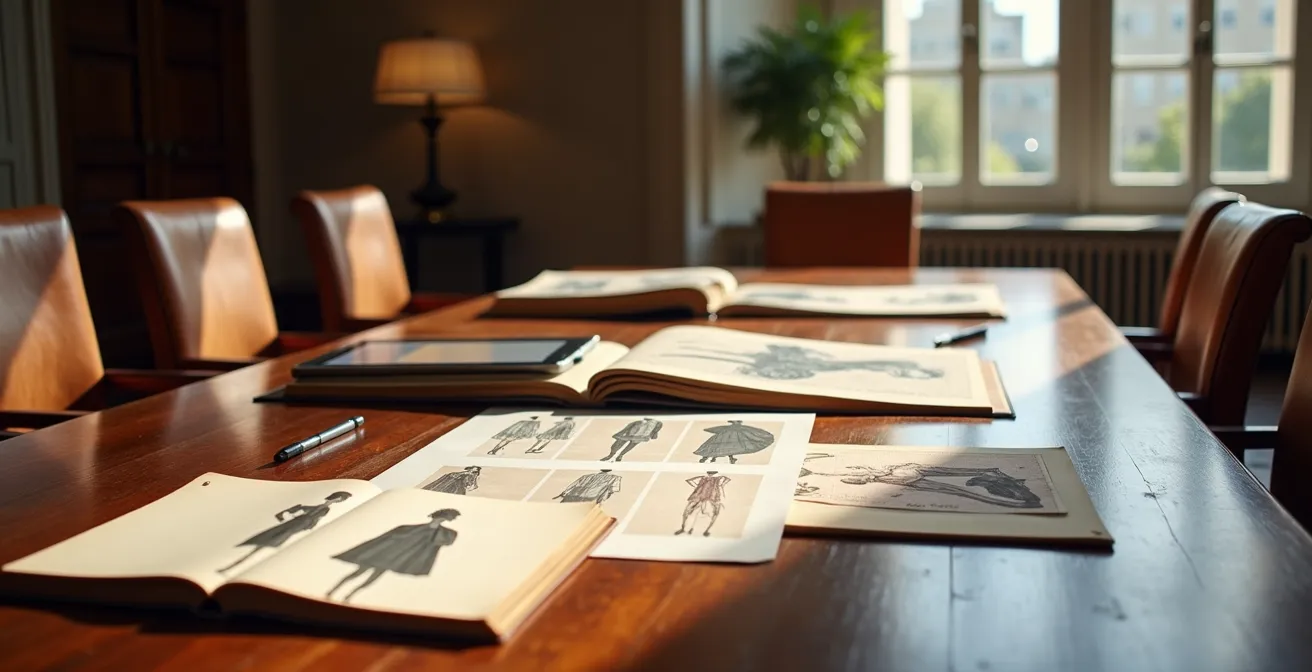
Successfully reviving a heritage brand is less about design and more about a strategic negotiation with its founder’s ghost.
- True innovation comes from « translating » brand DNA, not just copying archives or imposing a completely new vision.
- The immense pressure for quarterly growth is the primary driver of creative director burnout and high turnover in top houses.
Recommendation: Your primary role is Creative Stewardship—guide the brand’s soul into the future, don’t just redesign its products.
Taking the helm of a heritage brand is a singular challenge in the fashion industry. You are appointed not merely as a designer, but as the temporary custodian of a legacy. The common advice is a paradox: « honor the past, but be modern. » You are expected to dig through archives, respect the founder’s original vision, and simultaneously reinvent the house for a new generation. This often leads to superficial changes—a new logo, a trendy collaboration—that can feel hollow or, worse, disrespectful to the brand’s loyalists.
The real task is far more nuanced. It’s not a simple balancing act between old and new. The most successful revivals happen when a creative director understands they are entering a dialogue with the past. But what if the key isn’t just about balance, but about translation? What if the job is to act as a medium for the brand’s core soul, reinterpreting its timeless codes for a contemporary audience? This requires a deep understanding of the brand’s « ghost »—the enduring spirit of its founder—and the strategic acumen to navigate immense commercial pressures.
This guide moves beyond the platitudes to offer a strategic framework for creative directors. We will explore the pressures that define the role, the delicate task of interacting with brand archives, the business realities that underpin creative decisions, and ultimately, how to build a powerful narrative that secures the brand’s future while celebrating its past.
To navigate this complex journey, this article breaks down the core challenges and strategic pillars for any creative director tasked with revitalizing a legacy. The following sections provide a roadmap, from understanding the industry’s pressures to mastering the art of narrative.
Table of Contents: Reviving a Heritage Brand: How to Innovate Without Erasing Its Soul?
- Why Creative Directors Move Between Houses Every 3 Years?
- Founder vs Hired Creative Director: Which Is Better for Growth?
- The Risk of Changing the Logo Too Drastically Too Soon
- How to Balance Archive References with Modern Innovation?
- What Is the Burnout Rate for Creative Directors in Top Houses?
- Art Director vs Fashion Designer: Who Decides What?
- Ready-to-Wear vs Haute Couture: What Is the Business Difference?
- How to Build a Luxury Brand Narrative That Justifies High Prices?
Why Creative Directors Move Between Houses Every 3 Years?
The « revolving door » for creative directors at major fashion houses is not a sign of fickleness, but a symptom of immense and often contradictory pressures. The modern creative director is expected to be both a visionary artist and a commercial rainmaker, delivering explosive growth in record time. This dynamic has shifted significantly since the 1990s. As fashion documentary producer Camilla Hall notes, the rise of logo culture meant that « the brands became bigger than the designers who were fronting them. » This placed the emphasis squarely on the brand’s financial performance, with the creative director as the primary driver of that success.
The expectations are astronomical. When a new director is appointed, they are immediately under pressure to produce a hit collection that translates into sales. The case of Alessandro Michele at Gucci, for instance, set a formidable precedent. Under his direction, the brand achieved an almost mythical 35% growth for five consecutive quarters. This level of success creates a benchmark that stakeholders—from parent companies like LVMH and Kering to the public market—expect to see replicated.
This pressure to deliver immediate, quantifiable results forces a relentless pace. A creative director who cannot deliver a commercial success within a few seasons is often seen as a failed experiment. This short-term focus incentivizes high-impact, headline-grabbing changes rather than slow, considered evolution. Consequently, when a creative vision has run its commercial course or a new « stagnation » phase begins, parent companies often look for another star designer to provide a fresh jolt of energy, perpetuating the cycle of short tenures.
Founder vs Hired Creative Director: Which Is Better for Growth?
A fundamental tension exists at the heart of every heritage brand: the spirit of the founder versus the vision of the hired creative director. A founder-led brand often possesses an unparalleled authenticity and a coherent, lifelong narrative. However, this can also lead to stagnation if the founder is unwilling to adapt. A hired creative director, on the other hand, brings an outsider’s perspective, capable of seeing the brand’s potential and its flaws with fresh eyes. They can make bold, necessary changes that an emotionally invested founder might resist.
Case Study: The Sequential Revival of Gucci
Gucci’s history provides a powerful example of the impact a hired director can have. In the 1990s, the brand was near bankruptcy. The appointment of Tom Ford as Creative Director dramatically corrected its course with a series of bold, sensual collections that redefined the house. However, after his departure, Gucci’s influence waned until it was revived once again by Alessandro Michele, who introduced a completely different, maximalist aesthetic. This demonstrates that a hired director can be exceptionally effective for growth, but it also highlights a potential vulnerability: the brand’s success becomes tied to that individual, and their departure can create a new void.
The most successful hired directors do not act as dictators, but as stewards. Their role is not to erase the « founder’s ghost » but to enter into a dialogue with it. They must respect the brand’s core DNA while having the courage to challenge its conventions and translate them for a new era.

This philosophy is captured perfectly by the research firm Sublimio in their analysis of brand refreshment. They argue that lasting transformation requires a specific kind of leadership:
Brands need stewards who respect the past but are unafraid to challenge conventions.
– Sublimio Research
Ultimately, neither model is inherently superior. The key is whether the leader, founder or hire, can practice creative stewardship—protecting the brand’s soul while ensuring its continued relevance and growth in a changing world.
The Risk of Changing the Logo Too Drastically Too Soon
For a new creative director, one of the most tempting and symbolic acts is to redesign the brand’s logo. It is a powerful statement of a new era, a clear break from the past. However, it is also one of the riskiest moves. A brand’s logo and visual identity are often its most valuable and recognizable assets, imbued with decades of history, emotion, and consumer trust. A drastic, trend-driven change can alienate loyal customers and erase precious brand equity in an instant.
The « blanding » trend, which saw numerous luxury houses (such as Burberry, Balmain, and Saint Laurent) adopt minimalist, sans-serif logos, was met with mixed reactions. While intended to signal modernity and digital-friendliness, critics argued it stripped the brands of their unique character. A logo is more than a name; it’s a visual shortcut to a brand’s entire story. Changing it too soon, without a clear narrative justification rooted in the brand’s heritage, can feel like a superficial gesture rather than a meaningful evolution.
Instead of immediate replacement, a more strategic approach is to first leverage the existing visual heritage. Heritage-focused marketing can yield significant results. For example, some campaigns rooted in brand history have been shown to drive notable uplifts in consumer interaction, with one analysis pointing to a 7% increase in global brand engagement metrics for Coca-Cola’s heritage campaigns. The principle is clear: there is tangible value in a brand’s history. As the experts at Helms Workshop advise, the goal should be to « avoid succumbing to the stickiness of momentary trends, focusing on building a look that is ownable and fresh, but timeless. »
How to Balance Archive References with Modern Innovation?
The heart of a heritage brand revitalization lies in the creative director’s ability to conduct an « archival dialogue. » The archives are not a dusty museum or a catalog for direct reproduction; they are the source code of the brand’s DNA. The challenge is not to copy the past, but to translate it. This means identifying the timeless codes, silhouettes, and attitudes within the archives and re-expressing them in a way that feels both authentic to the brand and relevant to today’s culture.
Alessandro Michele’s tenure at Gucci is a masterclass in this process. He didn’t just reissue old products; he re-contextualized them. His Fall/Winter 2020 collection saw the revival of the iconic Jackie Bag, but with a sleeker, more modern finish. Similarly, he reintroduced the Gucci Diana Bag on what would have been Princess Diana’s 60th birthday, connecting a historical piece to a powerful cultural moment. This is not nostalgia; it is a living conversation with history, creating what brand strategist Marilisa Barbieri calls innovation « within the framework of existing codes. »
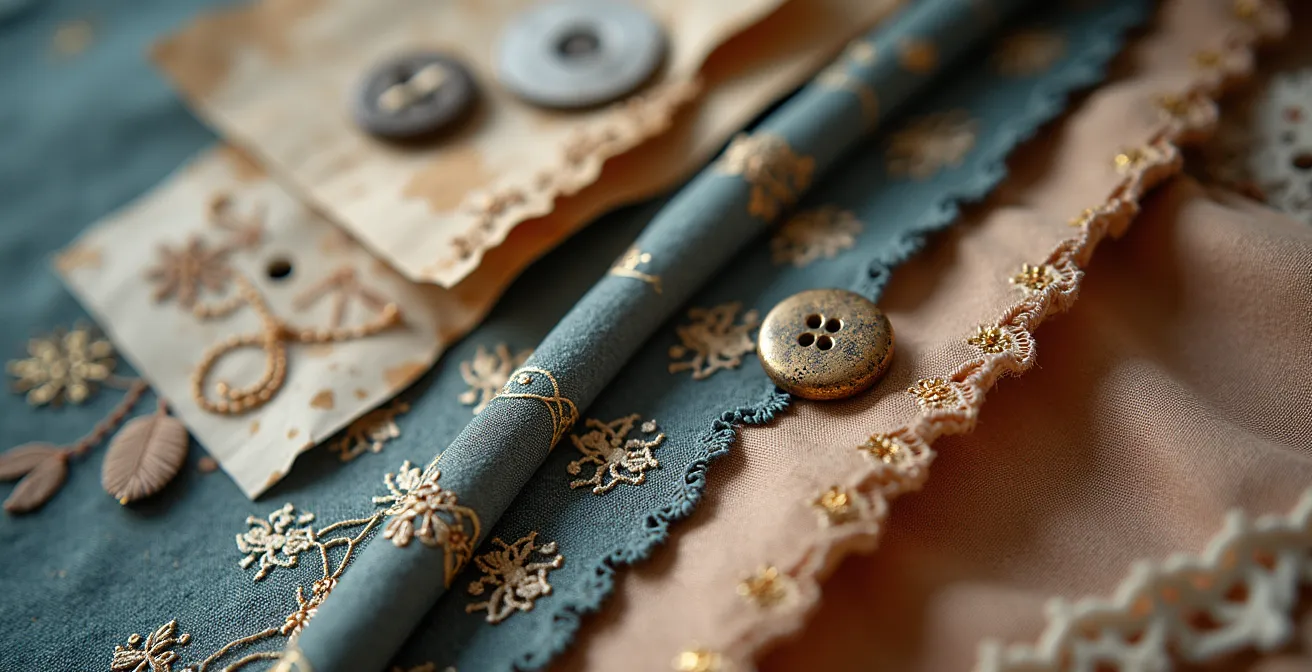
This approach requires a deep understanding of what made an archival piece iconic in the first place. Was it the shape? The material? The person who wore it? By deconstructing the original’s success, a creative director can capture its spirit without being trapped by its literal form. The goal is to evoke a feeling of familiarity while delivering the thrill of the new. This creates a powerful link between generations of customers: loyalists recognize the soul of the brand, while new audiences discover it through a modern lens.
True innovation in a heritage context is therefore an act of respectful reinterpretation. It’s about finding the timeless essence in the archives and giving it a new voice, ensuring the brand’s story continues to evolve rather than simply repeat itself.
What Is the Burnout Rate for Creative Directors in Top Houses?
The romantic image of the creative director as a secluded artist is a relic of the past. Today’s reality is one of relentless pressure and a pace that is fundamentally unsustainable, leading to high rates of burnout and frequent departures. The primary cause is the exponential increase in the number of collections required each year. Historically, a fashion house produced two main collections: Spring/Summer and Fall/Winter. Today, that number has skyrocketed.
With the addition of Pre-Fall, Resort/Cruise, menswear, haute couture, and various capsule collections, it is not uncommon for a creative director to oversee the production of 8-10+ collections per year. This brutal schedule compresses creative timelines, eliminates time for reflection, and transforms the role into one of constant content production. The demand is not just for more clothes, but for more « moments »—more shows, more social media buzz, more reasons for customers to engage (and purchase) year-round.
Beyond the sheer volume of work, there is immense creative and cultural pressure. A creative director is expected to be a tastemaker and a zeitgeist-shaper. As Elle Magazine noted of Alessandro Michele, he did more than design clothes; he « embraced gender fluidity…bringing fluid fashion into the luxury conversation. » This requires a constant state of cultural attunement and the emotional energy to lead a global conversation, all while managing huge teams and commercial expectations. The combination of this relentless production schedule and the demand for constant, high-stakes creativity is a recipe for exhaustion. Burnout is not just a risk; for many, it’s an inevitability.
Art Director vs Fashion Designer: Who Decides What?
In a modern luxury house, the lines between Art Director and Fashion Designer are often blurred and consolidated within the single, powerful role of the Creative Director. This individual is responsible for the brand’s entire creative output, from the stitching on a garment to the lighting at a fashion show. They are not just designing products; they are authoring a complete universe. The question is less « who decides what? » and more « how does the Creative Director orchestrate a cohesive vision across all touchpoints? »
The Creative Director’s mandate is holistic. They set the overarching aesthetic and narrative for the season, which then informs every other decision. They lead the design team on the collections (the fashion designer role), but they also direct the concept for advertising campaigns, store design, packaging, and digital presence (the art director role). WWD’s description of Alessandro Michele’s arrival at Gucci illustrates this perfectly. He didn’t just change the clothes; he « began to reinvent Gucci with a completely new, quirky and androgynous aesthetic that toppled his predecessor Frida Giannini’s jet-set lifestyle image. » This was an act of total art direction, where the clothes were just one component of a much larger vision.
For a creative director stepping into a heritage brand, clarifying this mandate from the outset is critical. It involves a strategic process of auditing the brand’s existing assets to define the creative territory. This ensures that every decision, whether it’s the cut of a jacket or the font on the website, serves a single, unified narrative.
Action Plan: Defining Your Creative Mandate
- Heritage Audit: Conduct a thorough audit of your company’s heritage. Identify the key visual and narrative equity that resonates with consumers and differentiates your brand in the marketplace.
- Essence Definition: Define a brand essence that is both timeless and adaptable. This core concept will guide all creative expressions, allowing the brand to evolve while remaining true to its heritage.
- Visual Equity Evaluation: Critically evaluate all visual elements from the brand’s history. Pinpoint components—from logos and monograms to specific colors or patterns—that hold significant brand equity and should be protected or reinterpreted.
- Cross-Channel Cohesion: Develop a creative framework that ensures the brand’s story is told consistently across all channels, from product design and runway shows to digital marketing and retail experiences.
- Team Alignment: Clearly communicate this creative mandate to all teams—design, marketing, and retail—to ensure everyone is working toward the same unified vision.
Ready-to-Wear vs Haute Couture: What Is the Business Difference?
For a heritage house that operates in both spheres, Ready-to-Wear (RTW) and Haute Couture serve fundamentally different, yet complementary, business purposes. On the surface, the difference is clear: Haute Couture is the creation of bespoke, handcrafted garments for a handful of clients, while RTW is the factory-produced collection sold in stores worldwide. However, their strategic business roles are more complex and represent the core tension between exclusivity and accessibility.
Ready-to-Wear is the engine of revenue. It is the commercial arm of the brand, designed for volume and scalability. RTW collections drive the majority of sales and are essential for maintaining brand presence and growth in a competitive market. This market is substantial, with projections suggesting that global luxury sales are expected to expand at a rate of 2 to 4 percent annually from 2025 to 2027. However, this focus on growth carries a risk. As noted in a report by The Business of Fashion and McKinsey, the rapid expansion of luxury has led to « overexposure and weakened the industry’s promise of exclusivity, creativity and craftsmanship. »
This is where Haute Couture plays its strategic role as the soul of the brand. While it is rarely profitable on its own, its value is immense. Haute Couture is the ultimate marketing tool. It functions as a laboratory for innovation, pushing the boundaries of creativity and craftsmanship without commercial constraints. It generates headlines, creates iconic red-carpet moments, and reinforces the brand’s legitimacy as a true luxury player. It is the purest expression of the brand’s DNA and artistry, justifying the high prices of its more accessible products, from RTW down to fragrances and accessories. In essence, Haute Couture builds the dream that Ready-to-Wear sells.
Key Takeaways
- Creative director tenures are short due to intense pressure for rapid, quantifiable commercial success.
- The most effective revivals come from « translating » brand DNA, not just copying archives or imposing a new vision.
- A brand’s narrative, rooted in its unique heritage and craftsmanship, is the ultimate justification for its luxury price point.
How to Build a Luxury Brand Narrative That Justifies High Prices?
In the luxury market, customers are not just buying a product; they are buying into a story. The high price of a handbag or a watch is justified not by its materials alone, but by the narrative woven around it. For a heritage brand, this narrative is its most potent asset. It is a tapestry of history, craftsmanship, and cultural significance that creates an aura of desirability and timelessness. A creative director’s final and most crucial job is to be the master storyteller, articulating this narrative in a way that feels both authentic and compelling.
This narrative must be rooted in the brand’s unique truth. The story of Hermès is a prime example. The brand’s narrative is not about seasonal trends, but about an unbroken chain of family ownership and a dedication to unparalleled craftsmanship. The fact that, since its founding in 1837, the brand has remained family-owned spanning five generations is a powerful narrative anchor. This story of continuity, tradition, and scarcity justifies the mythical status (and price) of its products. It transforms a Birkin bag from a leather accessory into an heirloom and a piece of history.
Building this narrative requires a consistent and disciplined approach. Every element, from the choice of materials and the design of the boutiques to the tone of voice on social media, must reinforce the central story. When a brand successfully leverages its heritage, the impact on customer connection is measurable. Campaigns that draw on a brand’s history can lead to a significant boost in platform engagement, reinforcing the idea that customers are eager to connect with a brand’s story. The narrative is what provides the emotional justification for the financial investment, elevating the brand from a mere manufacturer of goods to a cultural institution.
As the custodian of a heritage brand, your role is to ensure this narrative not only honors the past but also resonates with the future. By strategically translating the brand’s DNA, navigating commercial pressures with integrity, and telling a compelling story, you can achieve a revitalization that is both commercially successful and creatively fulfilling.