Trends & Style
The fashion landscape has never been more complex or fast-moving. What once took months to trickle from runway to retail now happens in days, while certain timeless style principles remain unchanged for decades. Understanding the mechanisms behind fashion trends, how they differ from personal style, and how to navigate them intelligently has become an essential skill for anyone interested in building a thoughtful wardrobe.
This exploration delves into the forces shaping contemporary fashion—from the meticulous world of trend forecasting to the explosive rise of streetwear, from the craftsmanship of bespoke tailoring to the whirlwind of viral micro-trends. Whether you’re looking to understand why certain aesthetics dominate the market, how to distinguish between a passing fad and a lasting movement, or how to consume fashion more sustainably, this comprehensive resource provides the foundational knowledge you need.
Understanding the Fundamental Difference Between Style and Trend
Before diving into the mechanics of fashion movements, it’s crucial to grasp a foundational distinction that many overlook: style is personal and enduring, while trends are collective and temporary. This isn’t merely semantic—it’s the key to making confident wardrobe decisions that won’t leave you with regret or a closet full of unwearable items.
Style represents your authentic visual language—the silhouettes, colors, and details that make you feel most yourself. It evolves slowly, shaped by your lifestyle, body, personality, and values. A person with strong personal style might incorporate trending elements occasionally, but their core aesthetic remains recognizable across years.
Trends, by contrast, are shared aesthetic movements that gain momentum across broader culture. They emerge from various sources—designers, street culture, social media, global events—and follow predictable lifecycles of emergence, peak popularity, and eventual decline. The oversized silhouette that dominates one season, the specific shade of green that appears everywhere, the particular way of styling vintage denim—these are trends. Understanding their temporary nature allows you to engage with them selectively rather than being swept along unconsciously.
The Art and Science of Trend Forecasting
Behind every fashion movement that appears on retail floors lies a sophisticated prediction process that most consumers never see. Trend forecasting operates on timelines that can extend 18 to 24 months ahead of product availability, particularly in the luxury sector where long-lead planning is non-negotiable.
How Professionals Predict Aesthetic Shifts
Forecasters blend multiple intelligence sources to decode emerging movements. They monitor street style in cultural capitals, analyze sales data patterns, attend textile fairs, track social media sentiment, and study broader cultural phenomena—from museum exhibitions to geopolitical events. The key lies in identifying weak signals: small indicators that, when aggregated, suggest a larger shift in consumer consciousness.
Consider how a rise in eco-anxiety correlates with increased demand for natural fibers and earth tones, or how economic uncertainty often drives a return to classic silhouettes and investment pieces. These connections aren’t random—they reflect deep psychological patterns that skilled forecasters learn to recognize.
Balancing Data With Creative Intuition
While data analytics now plays a crucial role in validating trends—tracking search volume, social engagement, and sales velocity—the human element remains irreplaceable. The most successful trend predictions emerge from synthesizing quantitative metrics with qualitative cultural understanding. A forecaster must ask not just « what are people buying? » but « what are people seeking to express, and why now? »
The Challenge of Mid-Season Adaptation
Despite meticulous planning, unexpected events—from global disruptions to viral cultural moments—can shift market dynamics rapidly. Brands must maintain agility, sometimes pivoting their messaging, styling, or even production mid-season. This tension between long-lead planning and sudden adaptation defines modern fashion commerce.
From Runway to Reality: Decoding Fashion Shows
Fashion shows serve a dual purpose that often confuses observers: they function simultaneously as creative manifestos and commercial tools. Understanding this duality helps demystify why runway looks often seem unwearable—they’re not always meant to be worn exactly as shown.
The Cultural and Business Functions of Shows
At the highest level, runway presentations communicate a designer’s artistic vision, set the tone for the season’s narrative, and generate media attention that translates into brand visibility worth millions. A single viral runway moment can eclipse traditional advertising in reach and impact. Simultaneously, these shows serve buyers and press, signaling what silhouettes, proportions, and details will be emphasized in the commercial collections that actually reach stores.
Translating Runway Concepts to Everyday Wear
The exaggerated proportions, theatrical styling, and avant-garde fabrications on runways are intentionally amplified to make a clear statement. The practical consumer skill lies in identifying the core concepts—perhaps a new way of layering, a particular color combination, or a shifted silhouette proportion—and adapting these elements to real-life context. When a designer shows voluminous sleeves with a constructed shoulder, the wearable interpretation might be a simple blouse with gentle volume at the cuff.
Understanding Different Show Formats
Not all shows communicate the same way. Haute couture presentations showcase handcraft and custom possibilities with no commercial intent beyond prestige. Ready-to-wear shows preview upcoming seasonal collections. Resort and pre-collections bridge main seasons. Digital presentations, which gained prominence recently, serve different engagement purposes than traditional runway formats. Recognizing these distinctions helps you interpret what you’re seeing and its relevance to available products.
The Streetwear Revolution and Casual Fashion Dominance
Perhaps no movement has transformed contemporary fashion more profoundly than the elevation of streetwear from subcultural niche to luxury market driver. What began as authentic expression from skateboarding, hip-hop, and youth communities has evolved into a dominant aesthetic influencing everything from high fashion collaborations to workplace dress codes.
Origins and Cultural Significance
Streetwear’s roots lie in communities that traditional fashion ignored—urban youth who created their own aesthetic codes around limited-edition sneakers, graphic tees, and logo-driven pieces. The culture valued authenticity, insider knowledge, and the thrill of securing rare items. These values persist even as streetwear has been absorbed into mainstream luxury.
The Psychology of Drops and Hype Culture
The « drop » model—releasing limited quantities at specific times—creates artificial scarcity that drives demand and community engagement. This manufactured urgency taps into fundamental psychological triggers: fear of missing out, status signaling, and the dopamine hit of successful acquisition. Understanding these mechanisms helps you recognize when you’re responding to genuine desire versus manipulated urgency.
Styling Oversized Silhouettes
Streetwear’s preference for relaxed, oversized fits requires different styling logic than traditional tailoring. The key lies in intentional proportioning—balancing volume in one area with structure in another, using layering strategically, and ensuring at least one defining point (ankle, waist, or wrist) prevents shapelessness. A baggy hoodie becomes stylish rather than sloppy when paired with tapered pants and clean sneakers.
Navigating the Micro-Trend Whirlwind
Social media platforms have compressed trend cycles to unprecedented speeds, creating what many call the micro-trend era. Aesthetics that once would have evolved over years now emerge, peak, and fade within months—or even weeks. This acceleration presents both opportunities and challenges for style-conscious individuals.
The Rapid Rise and Fall of Viral Aesthetics
Platforms like TikTok can transform a niche aesthetic into a global phenomenon overnight. « Cottagecore, » « Dark Academia, » « Coastal Grandmother »—these highly specific visual identities gain millions of adherents, spawn countless product launches, then recede as quickly as they appeared. The speed stems from algorithmic amplification, which rewards novelty and can make previously obscure references feel suddenly ubiquitous.
Identifying Core Elements Versus Costume
The challenge with micro-trends lies in their specificity—they often come as complete aesthetic packages rather than individual elements. To engage without looking costume-like or dated, learn to extract core components that resonate with your existing style. If you’re drawn to « Dark Academia, » perhaps it’s the color palette (browns, burgundy, forest green) or specific items (structured blazers, loafers) rather than the full uniform of tweed and vintage spectacles.
The Financial and Environmental Cost of Chasing Trends
Constantly purchasing items for fleeting aesthetics creates both financial strain and environmental burden. Fast fashion thrives on micro-trend cycles, producing cheaply made items meant to be worn a handful of times. A single viral moment can generate millions of nearly identical pieces that will end up in landfills within months. Awareness of this cycle is the first step toward more intentional consumption.
The Enduring Value of Custom and Bespoke Fashion
In stark contrast to the speed of micro-trends stands the deliberate, patient world of custom and bespoke garment making. This traditional approach to clothing—where pieces are created specifically for an individual body and preference—offers an entirely different relationship with fashion that emphasizes quality, fit, and longevity.
Understanding Levels of Customization
The terms « custom, » « bespoke, » and « made-to-measure » are often used interchangeably but represent different processes. True bespoke involves creating a unique pattern from scratch, multiple fittings, and entirely hand-finished details—the highest level of customization. Made-to-measure adapts an existing pattern to your measurements with some personalization options. Custom ready-to-wear might offer fabric or detail choices on standard patterns. Understanding these distinctions helps set appropriate expectations for process, timeline, and investment.
Identifying Quality in Hand-Finished Garments
Superior custom work reveals itself in details: hand-sewn buttonholes with visible pick stitching, floating canvas in jacket construction (rather than fused interfacing), pattern matching at seams, and finishing touches like functional sleeve buttons. The fit should feel personalized—accommodating your specific posture, shoulder slope, and proportions in ways ready-to-wear cannot.
The Psychological Dimension of Waiting
Custom creation operates on timelines foreign to instant-gratification culture. A bespoke suit might require 8-12 weeks and multiple fittings. This waiting period, however, serves a purpose beyond logistics—it cultivates appreciation, builds anticipation, and creates a mindful relationship with the garment that contrasts sharply with impulse purchases. Many find this process itself valuable, a counterbalance to the frenetic pace of trend consumption.
Building a Sustainable Approach to Trend Engagement
The question isn’t whether to engage with trends—they’re an inevitable part of fashion’s creative evolution—but how to do so in ways that align with your values, budget, and environmental consciousness. A sustainable approach requires strategic thinking about what, when, and how you incorporate trending elements.
Smart Strategies for Trend Participation
Consider these approaches to engage with trends without overspending or accumulating regrettable purchases:
- The rental option: For extreme or experimental trends, renting allows temporary participation without long-term commitment
- Quality over quantity: If a trend genuinely resonates, invest in a high-quality version from a sustainable brand rather than multiple cheap iterations
- The waiting test: Before purchasing a trending item, wait two weeks—if you’re still thinking about it, the desire may be genuine rather than FOMO-driven
- Secondhand first: Many trends are cyclical; vintage and consignment shops often carry earlier iterations at fraction of new prices
Recognizing Aesthetic Fatigue
Constant trend chasing can lead to a particular exhaustion—feeling like your wardrobe never reflects « you » because you’re always adapting to external signals. Aesthetic fatigue manifests as closet overwhelm, difficulty getting dressed despite abundance, and the sense that nothing truly fits your identity. The remedy often involves stepping back from trend consciousness temporarily to reconnect with what genuinely makes you feel confident.
Styling Dated Trends for Contemporary Relevance
Yesterday’s trends needn’t be abandoned entirely. The skill of updating previously popular items—whether from your own closet or secondhand sources—extends their lifespan and reduces waste. Often, this involves changing context: the skinny jeans that feel dated alone might work tucked into boots, or the statement necklace from several years ago might complement current minimalist silhouettes in an unexpected way. This creative recontextualization develops your personal style while honoring resources already invested.
Fashion trends will continue their relentless cycle of emergence and evolution, but your relationship with them is entirely within your control. By understanding the systems behind trend creation, distinguishing between authentic personal resonance and manufactured urgency, and developing strategies for mindful engagement, you transform from passive consumer to active participant—someone who uses trends as creative tools rather than being used by them. The goal isn’t to opt out of fashion’s dynamism entirely, but to engage with it in ways that serve your individual style journey, practical needs, and values.
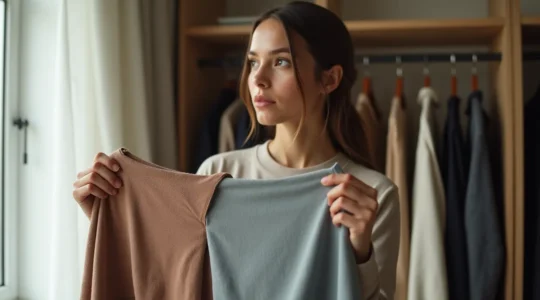
How to Participate in « Core » Trends Without Wasting Money?
The key to smart trend adoption isn’t avoiding trends, but treating your wardrobe like an investment portfolio. Fast fashion accelerates trend cycles, turning viral items into waste at an alarming rate. Use practical frameworks to categorize new styles and assess…
Lire la suite
Why Trends Die in 3 Months Now Instead of 3 Years?
Fashion trends now operate on a predictable, algorithm-driven product lifecycle with a built-in obsolescence of 90 days. Spotting them early requires tracking specific digital signals and data points, not just observing aesthetics. Investing heavily in fleeting aesthetics creates massive inventory…
Lire la suite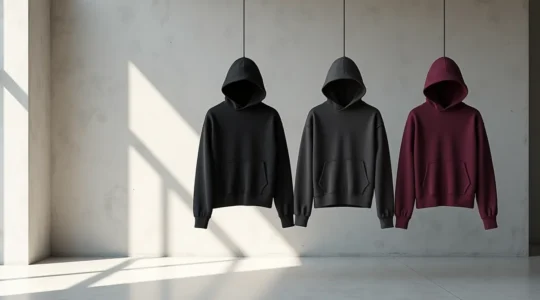
Why Cotton Hoodies Can Cost $500 in the Streetwear Market?
The $500 price tag isn’t for the cotton; it’s the entry fee into a complex economic game where clothing acts as a financial asset. Brands convert cultural authenticity (« cultural capital ») into monetary value through exclusive collaborations and staggering market valuations….
Lire la suite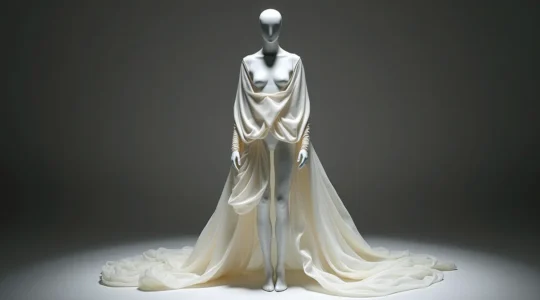
The Method in the Madness: Why Runway Fashion Is Intentionally ‘Unwearable’
Contrary to popular belief, the ‘unwearable’ garments on the runway are not just an art project; they are the core of a sophisticated business strategy. They function as a high-stakes R&D lab where conceptual ideas, new materials, and future silhouettes…
Lire la suite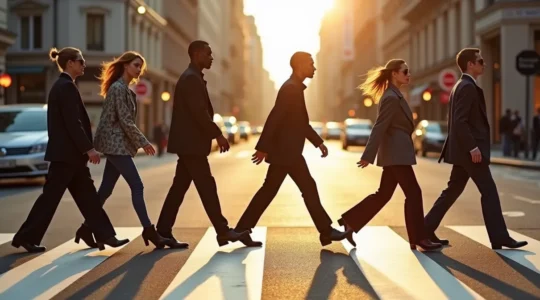
Why Street Style Drives Runway Trends More Than Ever?
It’s easy to say street style’s influence comes from its « authenticity, » but this misses the point. The real power shift comes from the street’s ability to generate a constant stream of observable data signals. For fashion students and analysts, the…
Lire la suite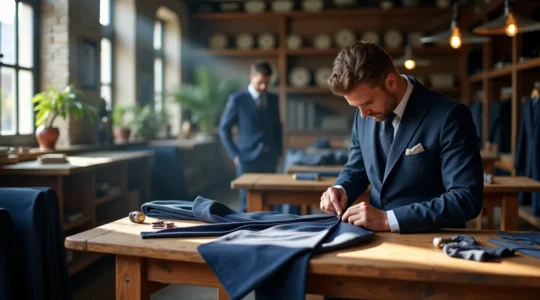
Why a Bespoke Suit Costs Infinitely More Than Ready-to-Wear—And Why It Should
A bespoke suit is not a product you buy; it is a sartorial commission you undertake, where the price reflects an investment in unparalleled craftsmanship, not a simple transaction. The process involves creating a unique paper pattern from dozens of…
Lire la suite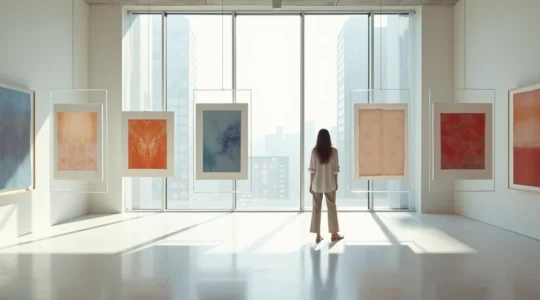
Beyond the Crystal Ball: How to Engineer Luxury Collections 18 Months Ahead
Forecasting 18 months out isn’t about predicting the future; it’s about building a resilient aesthetic framework that insulates multi-million dollar creative bets from market volatility. Data analytics don’t replace designer intuition—they de-risk it by providing an objective framework for creative…
Lire la suite